
In This Guide
1Identifying Stink Bugs
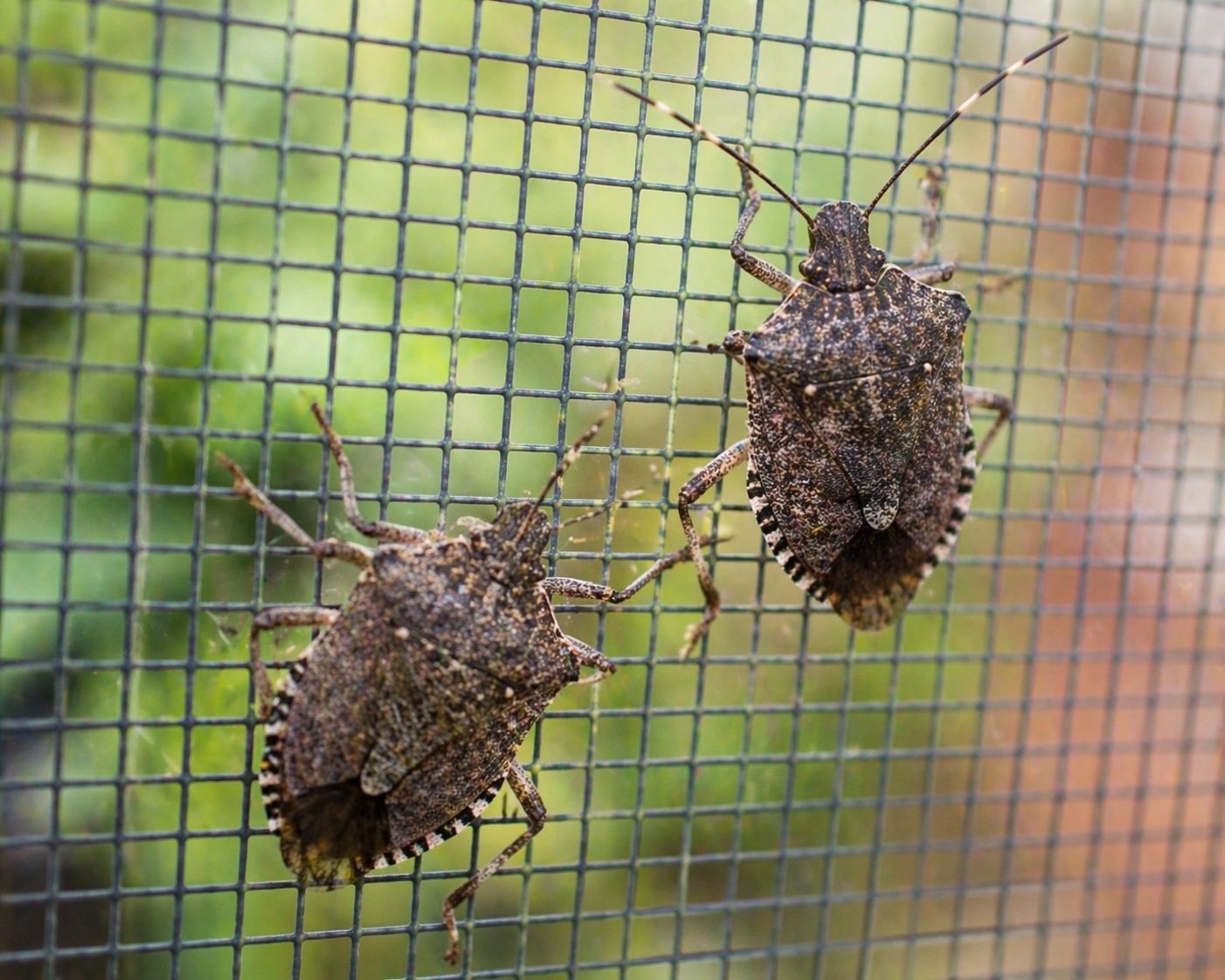
The brown marmorated stink bug is the most common species homeowners deal with. They are shield-shaped, about 3/4 inch long, with a mottled brown and gray pattern. The name comes from the defensive odor they release when crushed or threatened — a pungent smell often described as cilantro or dirty socks. Outdoors, stink bugs feed on fruits, vegetables, and ornamental plants, leaving dimpled, discolored damage on tomatoes, peppers, apples, and other crops.
2When & Why They Invade
Stink bugs become a major issue in late summer and fall when temperatures drop. They seek warm places to overwinter — and your home is perfect. They enter through any gap they can find: around window frames, door seals, utility penetrations, and rooflines. Once one finds a way in, the aggregation pheromone they release attracts dozens more. Homes surrounded by fruit trees, gardens, or wooded areas see the worst invasions.
3Sealing Entry Points
The most permanent fix is sealing every gap on the exterior of your home before fall — ideally in late August. Use silicone caulk around window frames, door sweeps on all exterior doors, foam sealant around utility pipe penetrations, and weatherstripping on garage doors. Check the roofline and attic vents; stink bugs can enter through surprisingly small gaps. Damaged window screens should be repaired or replaced. This one-time investment dramatically reduces invasions year over year.
4Outdoor Perimeter Sprays
Applying an insecticide barrier around the outside of your home in early fall is highly effective. Products containing bifenthrin, cypermethrin, or lambda-cyhalothrin work well as perimeter sprays applied to the foundation, window frames, door frames, and soffits. Spray when stink bugs first begin appearing outside but before they attempt to enter. Repeat applications may be needed after heavy rain. Always read and follow label instructions when applying insecticides near entry points.
5Indoor Traps & Removal
For bugs already inside, avoid crushing them — the smell attracts more. Instead, use a vacuum cleaner to collect them and immediately seal the vacuum bag outdoors. Light traps that use UV light to attract stink bugs work well in basements, attics, and enclosed spaces where they congregate. Sticky glue traps placed along baseboards and windowsills catch stragglers. Once inside, stink bugs are dormant and don’t breed — the goal is simply preventing more from entering and removing the ones already there.
Final Thoughts
Stink bug control is most successful when you combine fall sealing with a perimeter spray program. Get ahead of the invasion before temperatures drop in late summer and you’ll have a far easier winter.
Ready to Improve Your Backyard?
Browse our recommended stink bug control products and pest guides.
Browse Guides