
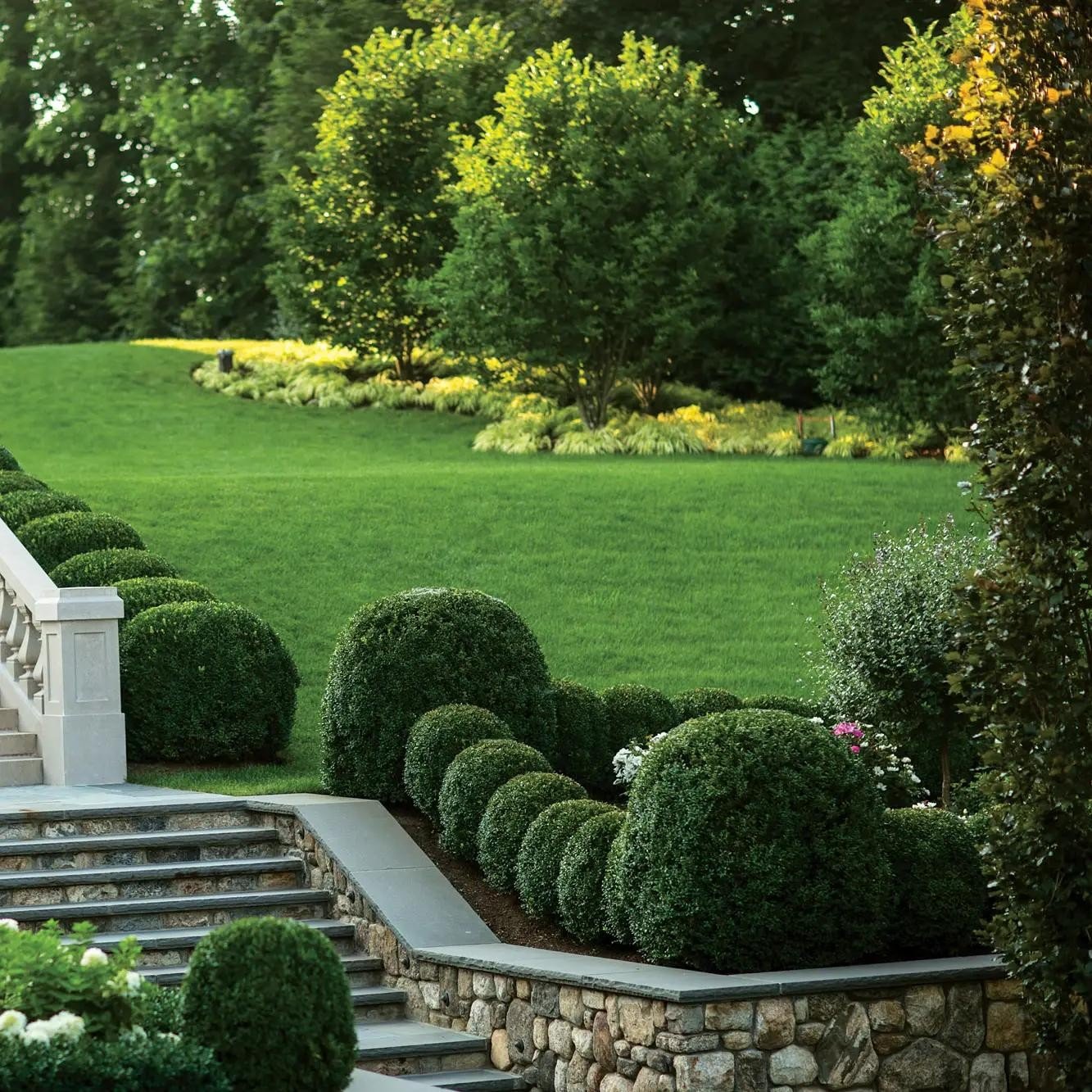
Few outdoor features are as closely associated with the American home as the lawn. It frames the front porch, fills the backyard, surrounds the swing set, softens the patio, and often becomes the first thing neighbors notice from the street.
But the lawn was not always a common part of everyday life. For much of history, neatly maintained grass was a luxury. It required land, labor, water, animals, or skilled workers with scythes. In other words, a lawn once told the world that someone had enough wealth to keep land open, green, and nonproductive.
The American lawn became popular through a combination of European influence, landscape design, lawn mower technology, suburban housing, advertising, civic pride, and the growing idea that the backyard could be a place for family life and outdoor living.
In This Article
The Lawn Was Once a Luxury
Before lawns became common around suburban homes, they were associated with wealth, estates, and status. A large open lawn meant land was being kept for beauty rather than farming, grazing, or food production.
In Europe, manicured grass appeared around castles, manor houses, and country estates. Maintaining that grass was difficult. Without powered equipment, grass had to be cut by hand with scythes or kept short by grazing animals such as sheep. That meant a neat lawn required either labor or livestock — and often both.
Because of that, lawns became a visual statement. They suggested leisure, control, landownership, and refinement. A person who could maintain a broad stretch of open green space was displaying something beyond landscaping. They were displaying social position.
English Estates Helped Create Lawn Culture
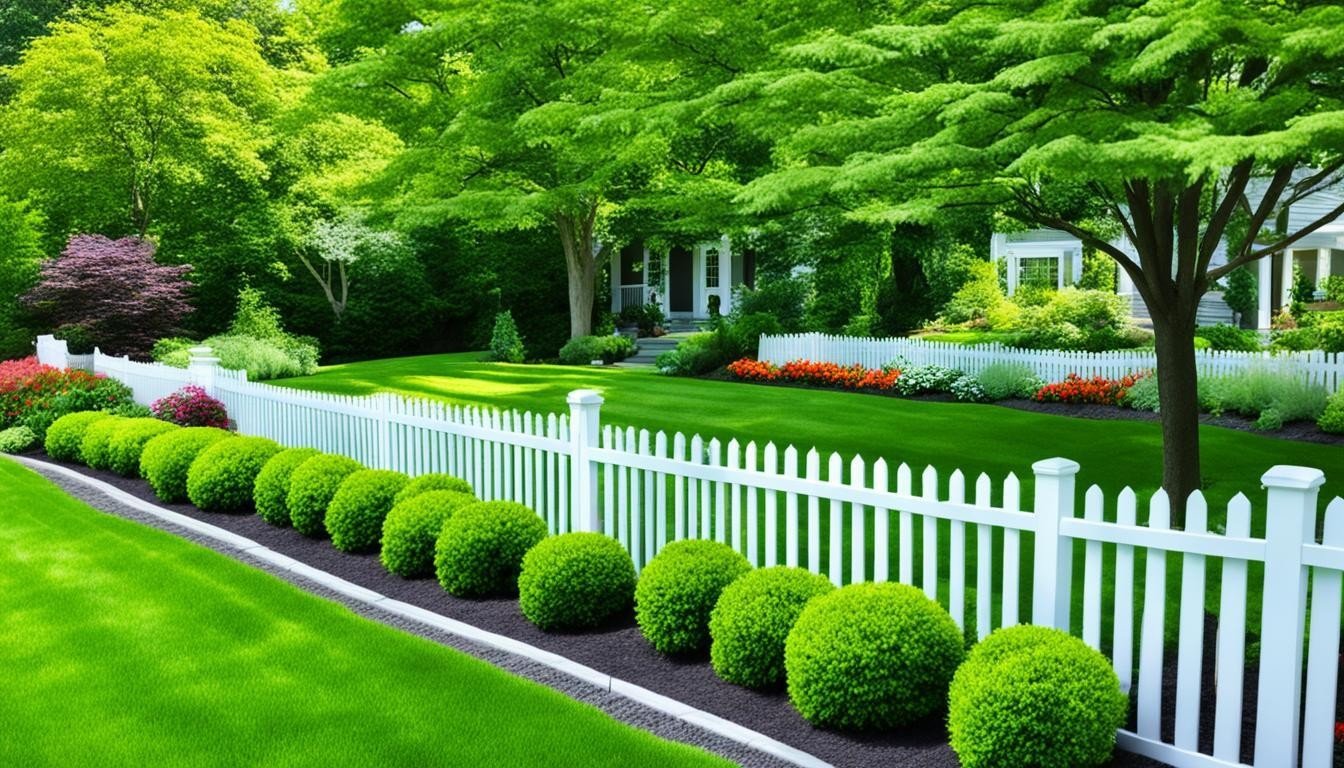
Much of American lawn culture was influenced by English landscape traditions. During the seventeenth and eighteenth centuries, open lawns became an important part of estate design. Broad grassy areas created views, framed architecture, and gave estates a sense of order and elegance.
English landscape designers helped popularize a more naturalistic style that used sweeping lawns, trees, ponds, and rolling scenery. This style made grass feel less like a utility space and more like a designed landscape.
When these ideas crossed the Atlantic, wealthy American landowners and early landscape designers adopted many of the same visual cues. A lawn around a large home suggested sophistication and taste. It connected American estates to European ideals of refinement.
How Lawns Came to America
Early American homes did not all have lawns in the way we think of them today. Many households used their land for gardens, livestock, work areas, orchards, paths, and practical needs. Grass around a home was not always ornamental.
That began to change as landscape design became more influential in public parks, campuses, cemeteries, estates, and planned communities. Open green spaces were associated with health, beauty, order, and civic improvement.
Public parks also helped shape expectations. When Americans visited landscaped parks, they experienced the beauty of open lawns, trees, paths, and gathering spaces. Over time, those ideals moved into residential design. The home landscape was no longer only practical; it could be beautiful, restful, and publicly visible.
The Lawn Mower Changed Everything
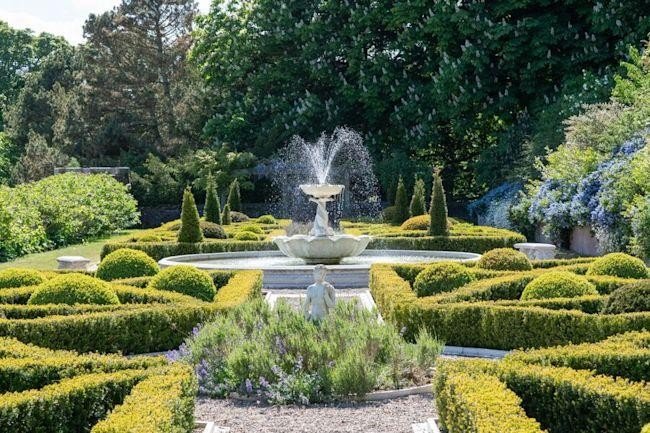
The invention of the lawn mower in the nineteenth century made lawns far more practical. Before mechanical mowers, maintaining a clean, even lawn required significant labor. Once mowers became available and gradually more affordable, more people could maintain grass around homes, parks, schools, and businesses.
Early reel mowers were still heavy and required effort, but they were a major improvement over hand cutting. As manufacturing improved, lawn mowers became lighter, more accessible, and eventually common household tools.
This changed the lawn from an elite landscape feature into something middle-class homeowners could realistically manage. A neat lawn no longer required a staff of workers. It required time, equipment, and a growing belief that lawn care was part of responsible homeownership.
The Suburban Lawn Boom
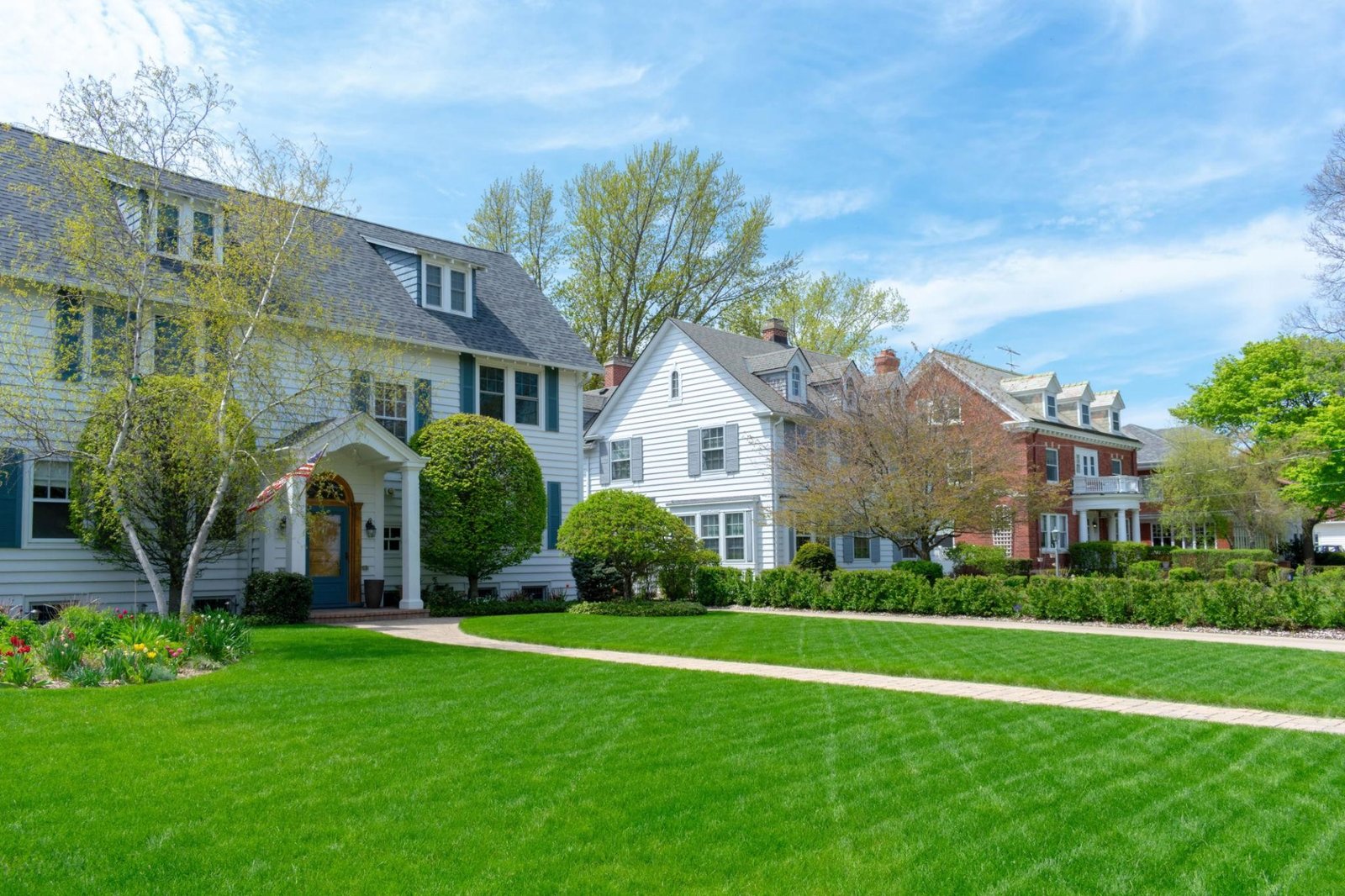
The biggest turning point came after World War II. Millions of Americans moved into newly built suburbs, where single-family homes, driveways, sidewalks, and lawns became part of the American Dream.
Developments such as Levittown helped establish the image of the home surrounded by a neat lawn. The front lawn became a public-facing symbol of pride and belonging. The backyard became a private space for family recreation, barbecues, children, pets, gardening, and weekend projects.
Lawn care also became part of neighborhood culture. A well-kept lawn suggested responsibility and care. In many communities, the lawn became a visual expression of order, stability, and respectability.
- Front lawns signaled curb appeal.A neat lawn helped homes look cared for from the street.
- Backyards supported family life.Lawns became places for children, pets, cookouts, games, and outdoor relaxation.
- Neighborhoods created expectations.As lawns became common, mowing and maintenance became part of community standards.
- Products made lawn care easier.Mowers, sprinklers, seed, fertilizers, and spreaders helped homeowners manage their yards.
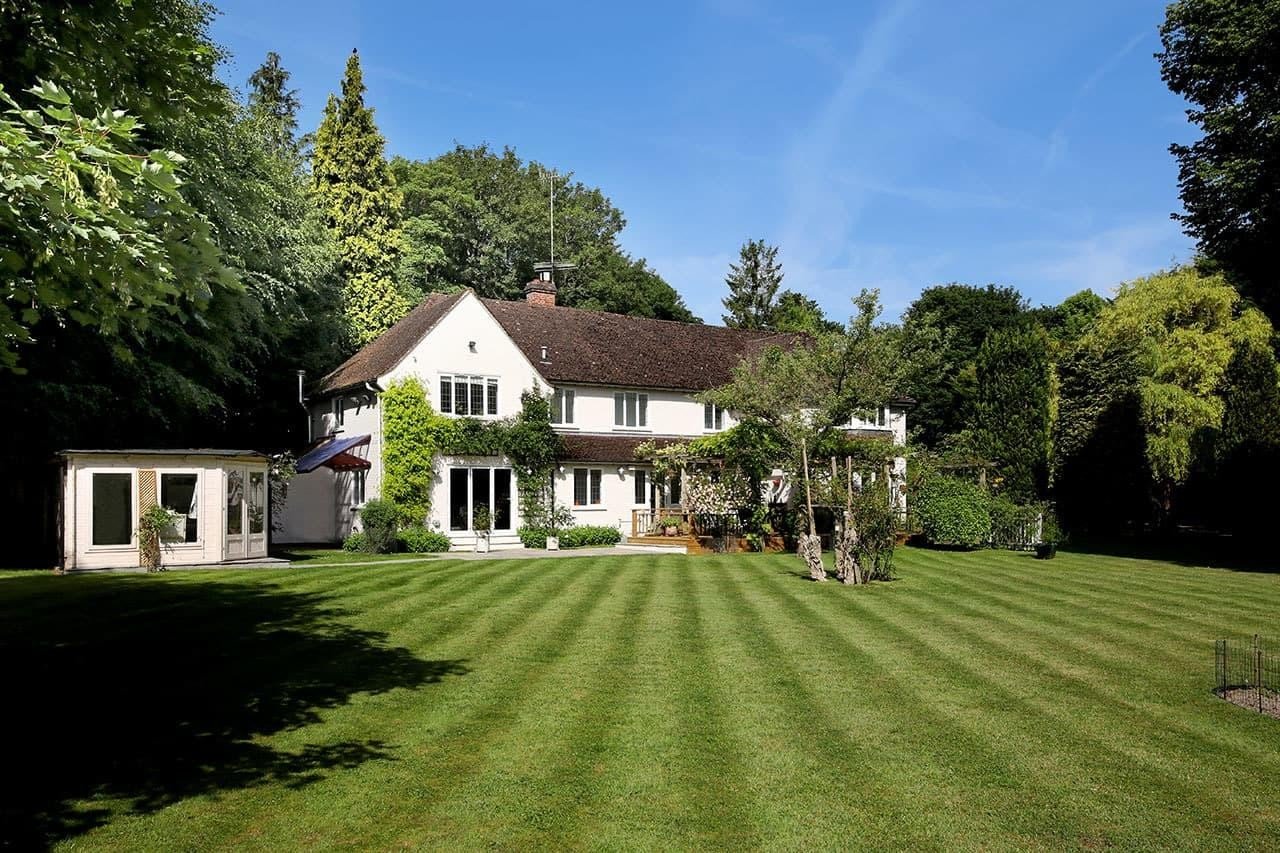
The Lawn Becomes a Backyard Lifestyle
As outdoor living grew, the lawn became more than a surface to maintain. It became the foundation for backyard life. A level patch of grass could hold a picnic table, lawn chairs, sprinkler, swing set, dog run, garden edge, croquet game, badminton net, fire pit seating area, or pathway to the patio.
The lawn also created visual breathing room. It separated garden beds, softened hardscapes, framed pools and patios, and made yards feel larger and more open. For many families, the lawn was where the backyard began.
This is why lawn culture became so deeply tied to the American backyard. The lawn was not only about appearance. It was about use. It was a place for play, gathering, rest, and memory.
The Modern Lawn Is Changing
Today, American lawns remain popular, but the conversation around them has changed. Homeowners still love green grass, but many are also thinking more carefully about water use, fertilizer runoff, pollinators, drought, maintenance, and regional climate.
Some homeowners are reducing lawn size, adding native plants, installing clover mixes, using drought-tolerant turf, building garden beds, or replacing unused grass with patios and outdoor living spaces. Others still prefer traditional lawns but want healthier, more efficient lawn care routines.
The future of the American lawn may not be one-size-fits-all. In some regions, lush turf still makes sense. In others, smaller lawns, mixed plantings, and low-water landscapes may be the better choice. What remains constant is the desire for outdoor space that feels useful, beautiful, and connected to home.
Lawn Care Basics for Today's Homeowner
Whether you are repairing bare patches, improving curb appeal, or maintaining a family backyard, these basic lawn care tools and supplies can help support a healthier lawn.
Featured Lawn Care Essentials
Useful for overseeding thin areas, repairing bare patches, and improving lawn density.
Helps apply seed, fertilizer, and lawn treatments more evenly across the yard.
Supports healthy growth when used at the right time and matched to your grass type.
Disclosure: Your Backyard Knows may earn a commission if you purchase through affiliate links on this page.
The American Lawn Timeline
Open lawns become associated with estates, wealth, leisure, and refined landscape design.
European lawn ideals influence American estates, public landscapes, campuses, and parks.
The lawn mower is patented in England, eventually making lawn care more practical for ordinary homeowners.
Residential lawns become more common as mowers, seed, public parks, and landscape design spread.
Suburban housing developments help make the front lawn and backyard lawn symbols of American homeownership.
Lawns remain popular, while homeowners also explore native plants, lower-water landscapes, and eco-friendly lawn care.
Frequently Asked Questions About American Lawns
- Why are lawns so popular in America?Lawns became popular because they represented homeownership, neighborhood pride, outdoor family life, and the influence of European landscape traditions.
- When did Americans start having lawns?Wealthy American estates had lawns earlier, but residential lawns became more common in the late 1800s and grew dramatically with suburbs after World War II.
- Were lawns originally a status symbol?Yes. In Europe, large lawns were associated with wealth because maintaining open grass required land and labor that most people could not spare.
- How did lawn mowers affect lawn popularity?The lawn mower made it much easier for homeowners and communities to maintain grass, helping lawns spread beyond wealthy estates.
- Why did suburbs help lawns become popular?Suburban housing developments made lawns part of the standard home package, with front lawns for curb appeal and back lawns for family use.
- Are American lawns still popular today?Yes, but many homeowners are rethinking lawn size, water use, maintenance, and alternatives such as native plants, clover, and mixed landscapes.
- What are alternatives to traditional lawns?Alternatives include clover lawns, native plantings, groundcovers, meadow gardens, mulch beds, hardscaping, patios, and drought-tolerant landscapes.
Why the Lawn Still Matters
The American lawn became popular because it combined beauty, status, practicality, and lifestyle. It made homes look finished, gave families space to play and gather, and helped define the visual language of neighborhoods across the country.
Today, the lawn is evolving. Some homeowners still want the classic green yard. Others want lower-maintenance or more eco-friendly alternatives. But the deeper idea remains the same: people want outdoor space that feels connected to home.
From Estate Symbol to Backyard Tradition
The American lawn began as a sign of privilege and became a familiar part of everyday home life. Whether large or small, traditional or reimagined, the lawn remains one of the most influential features in the story of the American backyard.