
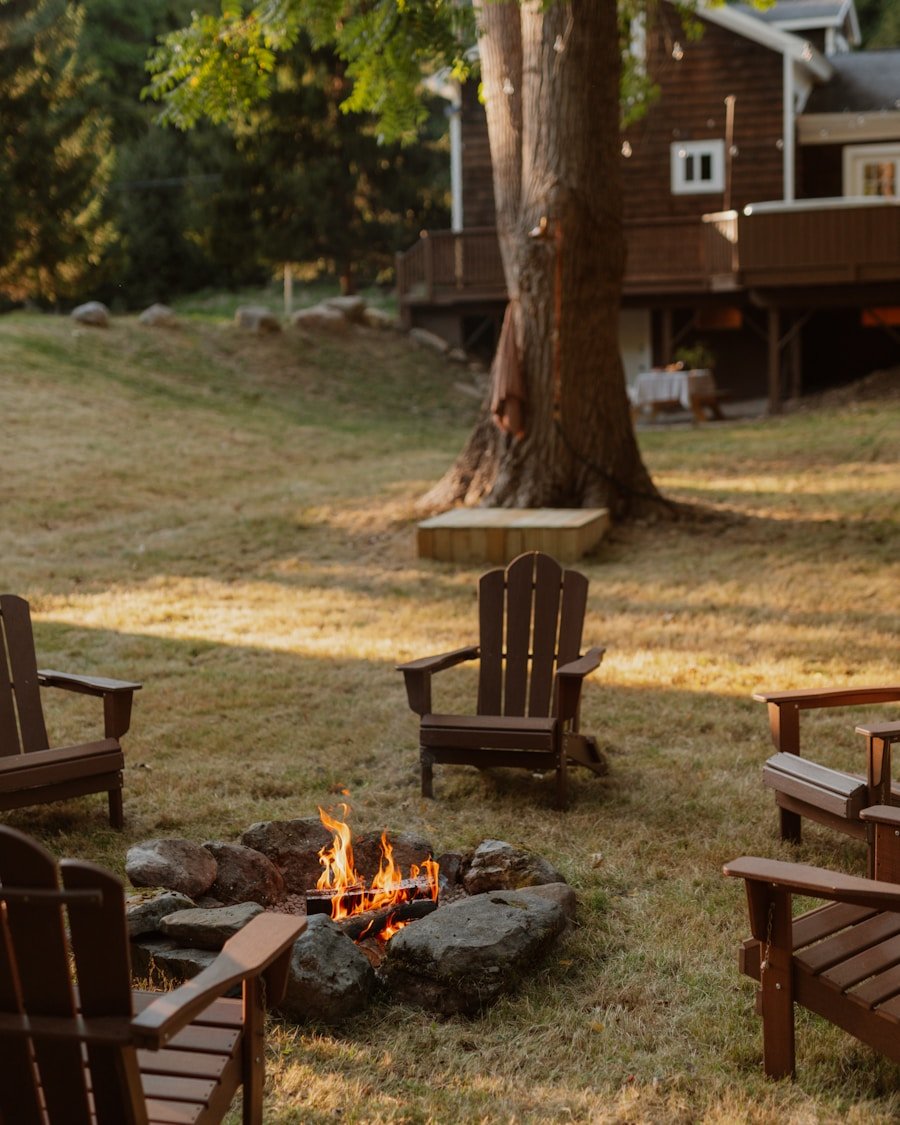
A fire pit may look like a modern backyard upgrade, but the idea behind it is as old as human gathering itself. Long before patios, outdoor sofas, pergolas, and landscape lighting, people gathered around fire for warmth, protection, cooking, storytelling, and community.
Today's fire pits are polished, stylish, and often built into carefully designed outdoor living spaces. Some are simple metal bowls. Some are stone circles surrounded by Adirondack chairs. Others are gas-powered features built into patios, pool areas, and luxury outdoor rooms. But at the center is the same attraction that has existed for thousands of years: the glow of fire.
The story of the fire pit is not just a story about design. It is a story about how people use outdoor space, how fire shaped social life, and why a circle of chairs around a flame still feels natural in the modern backyard.
In This Article
The First Fire Pits Were Places to Gather
Before fire pits were backyard features, controlled fires were central to survival. Fire provided heat, light, safety, and a way to cook food. Just as important, it created a natural gathering point.
Early humans did not need a patio plan to understand the power of a central fire. A controlled fire turned darkness into usable space. It made cold nights more manageable. It helped keep animals away. It allowed people to cook food, make tools, share stories, and stay close together.
In that sense, the fire pit is one of the earliest forms of outdoor living. It created a defined place in the landscape. People arranged themselves around it. The fire became the center of the evening.
From Open Fires to Hearths
As settlements developed, fire became more organized. People created hearths, cooking areas, and defined fire locations inside and outside shelters. A hearth was more than a heating element. It was the center of domestic life.
Outdoor fire areas remained important because they were useful for cooking, smoking, heating water, processing materials, and gathering. In many cultures, meals and ceremonies took place around open fires. The placement of stones, pits, and cleared ground helped control the flame and reduce the risk of spreading fire.
Over time, people learned that the shape and containment of a fire mattered. A depression in the ground could protect flames from wind. Stones could hold heat and define the boundary. Ash beds could help manage embers. These practical lessons are still visible in today's simple campfire rings and backyard fire pits.
Stone Fire Rings Made Fire Safer and More Useful
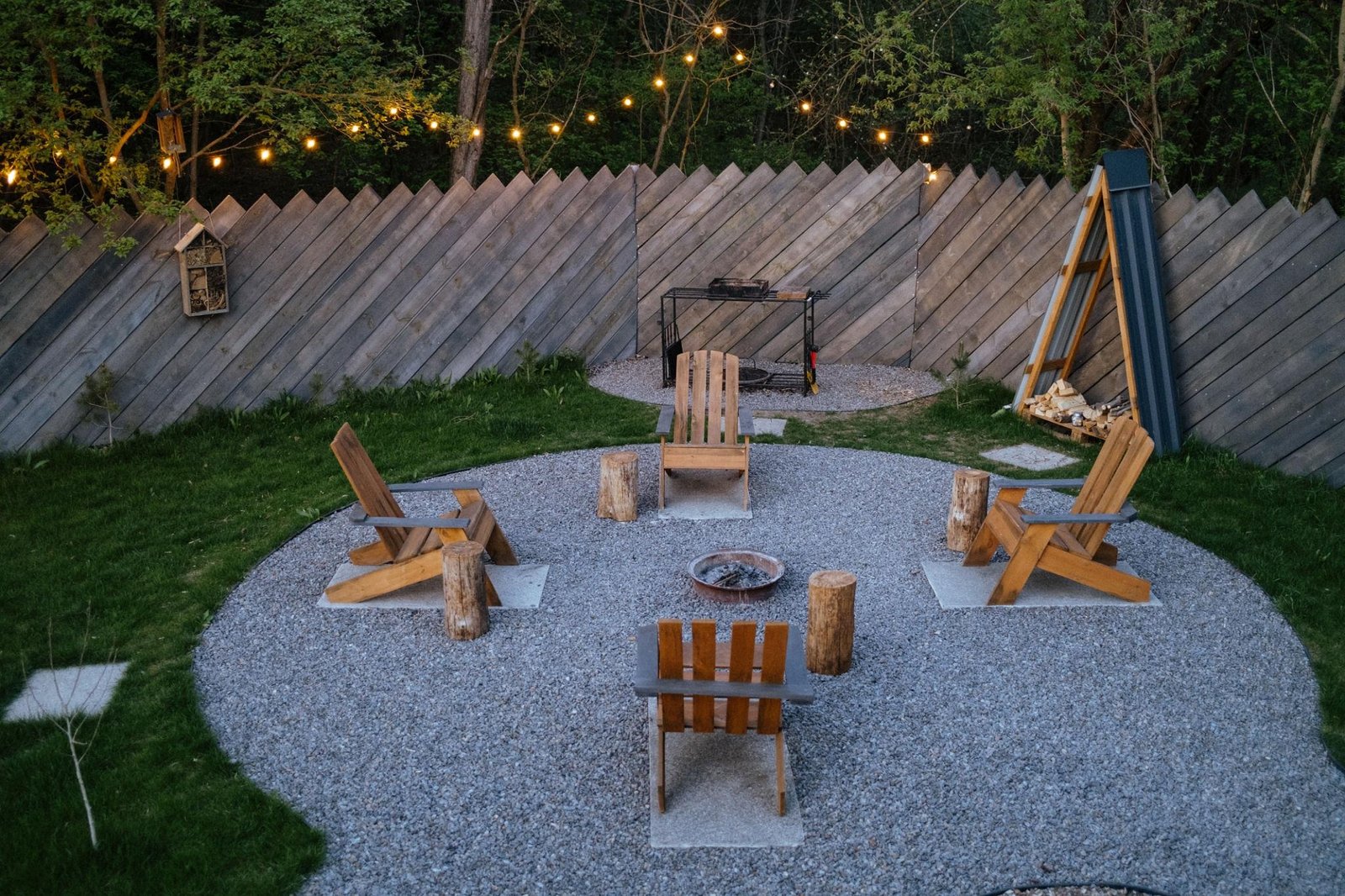
One of the most recognizable ancestors of the backyard fire pit is the stone fire ring. A ring of rocks around a campfire creates a basic boundary, helps block wind, contains embers, and signals where the fire belongs.
Stone fire rings became common in camps, rural homesteads, parks, and outdoor recreation areas. They required little technology, but they worked well. A circle of stones made the fire easier to manage and easier to gather around.
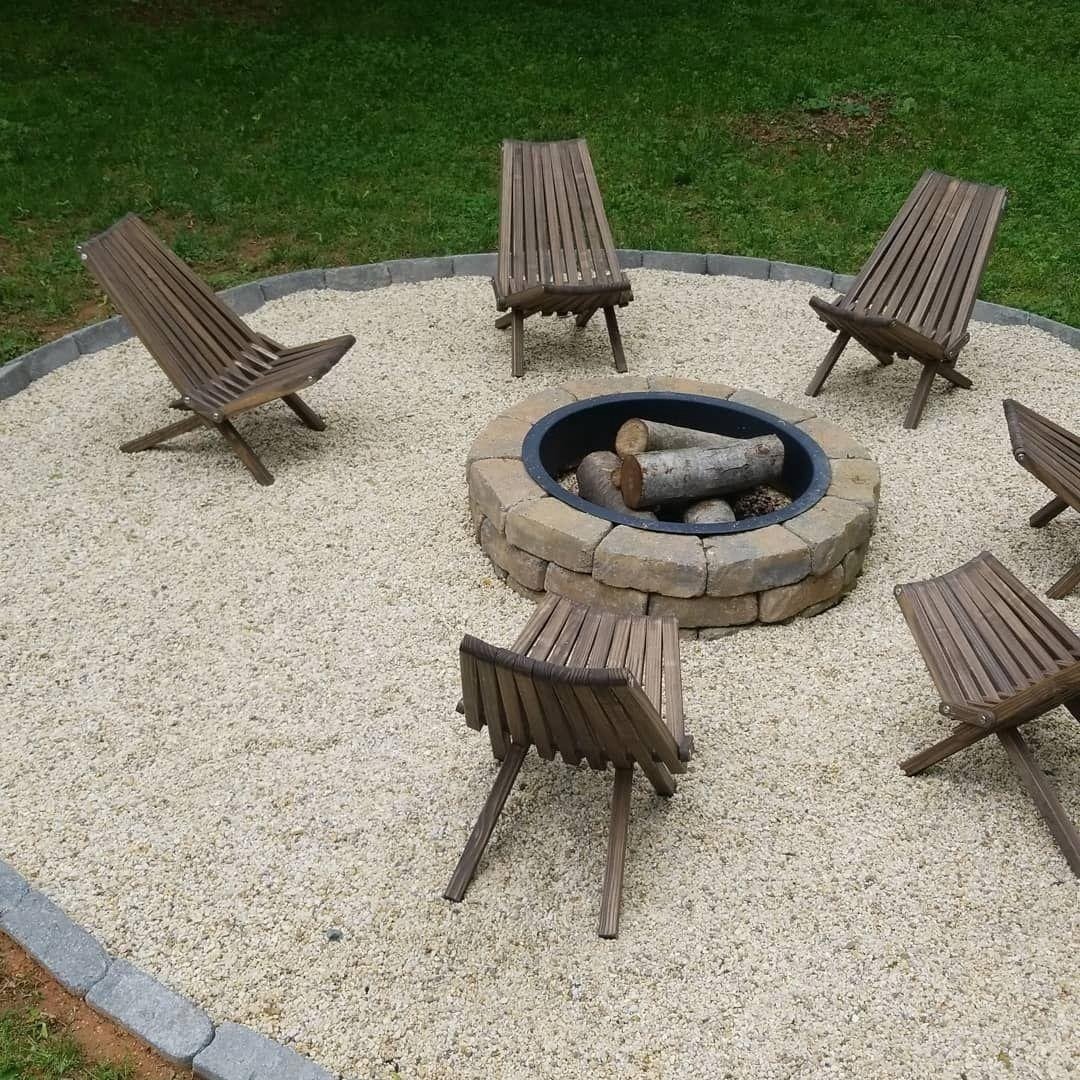
This circular layout remains central to modern fire pit design. Whether the fire feature is made of stacked stone, steel, concrete, copper, brick, or pavers, the experience often remains the same: people sit facing inward, toward the flame and toward each other.
Fire Pits Move Into the American Backyard
As the American backyard became more important in the twentieth century, fire features followed. Families were already using patios, grills, lawn furniture, and outdoor lighting to turn backyards into living spaces. A fire pit added something different: warmth, atmosphere, and a reason to stay outside longer.
Early backyard fire pits were often simple. Some homeowners built stone or brick circles. Others used metal fire bowls or portable fire rings. They were used for roasting marshmallows, warming cool evenings, entertaining friends, and creating a campsite feeling without leaving home.
As outdoor living became more polished, fire pits became more integrated into landscape design. They appeared in patios, pool decks, outdoor kitchens, garden courtyards, and seating zones. Instead of being an afterthought, the fire pit became a destination within the yard.
The Fire Pit Becomes a Design Feature
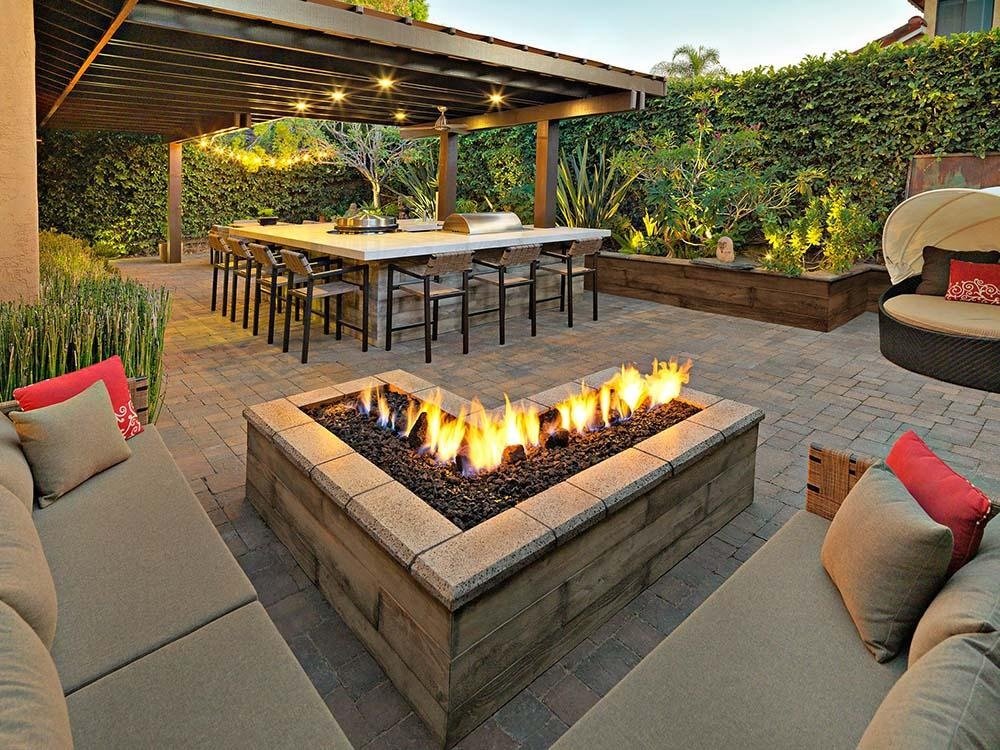
Today, fire pits come in more styles than ever. Some are rustic and wood-burning. Others are sleek gas fire tables with lava rock, glass beads, or linear burners. Some are built into patios with seat walls and paver surrounds. Others are portable units that can be moved around the yard.
Modern fire pits also help define outdoor rooms. A seating area with no focal point can feel unfinished. Add a fire pit, and the same space suddenly has purpose. The fire becomes the visual center and the social center.
Designers often use fire pits to extend the outdoor season. In spring and fall, a fire makes cool evenings more comfortable. In summer, it adds ambiance after sunset. In winter, it can turn a quiet patio into a cozy retreat.
- Wood-burning fire pits feel traditional.They provide crackle, smoke, and the classic campfire experience.
- Gas fire pits offer convenience.They light quickly, produce less mess, and work well in polished patio designs.
- Fire tables combine function and style.They create a centerpiece for outdoor seating and entertaining areas.
- Built-in fire pits anchor the landscape.Stone, brick, or concrete designs can make a fire area feel permanent and intentional.
Smokeless Fire Pits Change the Experience
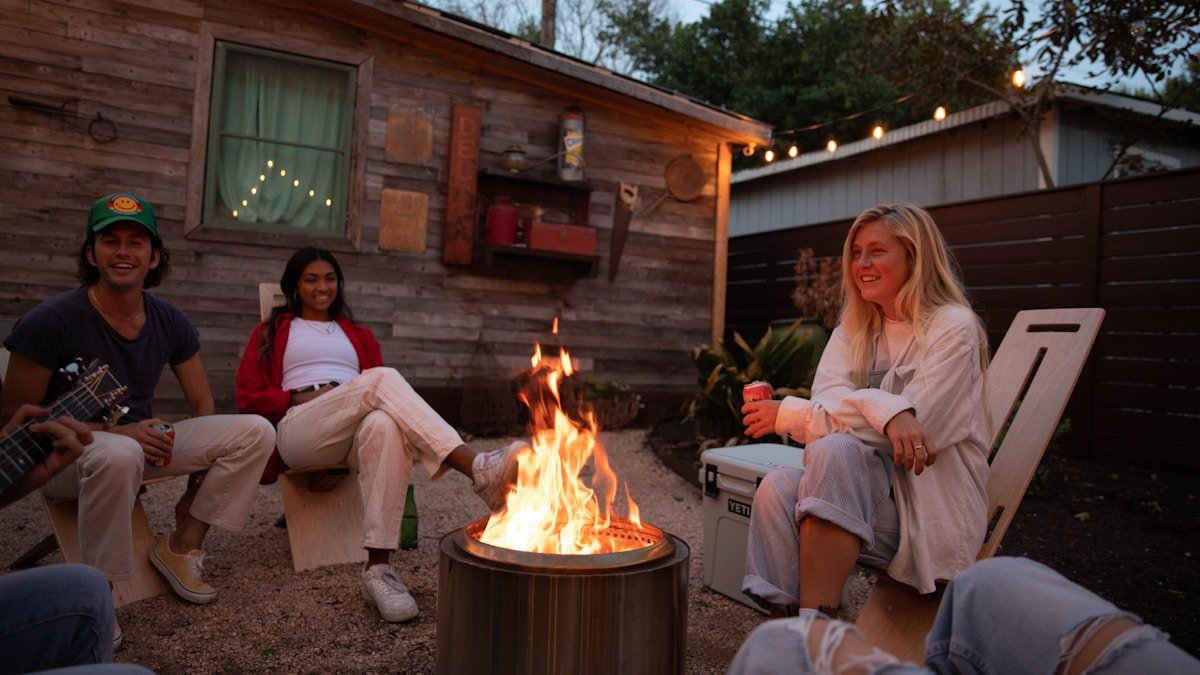
One of the biggest recent changes in fire pit design is the rise of the smokeless fire pit. These units use airflow engineering to burn wood more efficiently and reduce the amount of smoke that drifts toward people sitting nearby.
While no wood-burning fire is truly smoke-free in every condition, modern smokeless designs can make backyard fires more comfortable and easier to enjoy. They are especially popular with homeowners who like real wood flame but do not want clothes, hair, and furniture to smell heavily of smoke afterward.
The popularity of smokeless fire pits shows how old traditions continue to evolve. People still want real flame, warmth, and gathering. They simply want the experience to fit modern expectations for comfort, cleanliness, and convenience.
Fire Pit Ideas for Today's Backyard
Whether you want a simple portable fire bowl or a polished seating area centerpiece, today's fire pit options make it easy to create a warm outdoor gathering space.
Featured Fire Pit Ideas
A classic option for patios, gravel areas, and backyard seating zones.
A modern wood-burning option designed to reduce smoke and improve comfort around the fire.
Adirondack chairs, outdoor sectionals, and conversation sets help complete the fire pit area.
Disclosure: Your Backyard Knows may earn a commission if you purchase through affiliate links on this page.
The Fire Pit Timeline
Controlled fires provide warmth, protection, cooking, light, and a natural gathering point.
People create defined fire locations using pits, stones, ash beds, and hearths for cooking and daily life.
Stone fire rings become common in camps, rural settings, parks, and outdoor recreation areas.
Fire pits and portable fire bowls become backyard features as patios and outdoor entertaining grow.
Gas fire features, fire tables, built-in patio fire pits, and smokeless wood-burning designs become popular.
Frequently Asked Questions About Fire Pits
- How old are fire pits?The idea of gathering around a contained fire is ancient. People have used controlled fires, hearths, and outdoor fire areas for thousands of years.
- What were early fire pits used for?Early fire pits and hearths were used for warmth, cooking, light, protection, toolmaking, ceremonies, and social gathering.
- When did backyard fire pits become popular?Backyard fire pits became more common as patios, outdoor entertaining, and suburban backyard living grew during the twentieth century.
- What is the difference between a fire pit and a fireplace?A fire pit is usually open and often designed for seating on multiple sides. An outdoor fireplace is more vertical, usually has a chimney or firebox, and typically faces one direction.
- Are smokeless fire pits really smokeless?They are not completely smoke-free in every condition, but many are designed to burn more efficiently and significantly reduce smoke compared with traditional open fire pits.
- What is the best material for a fire pit?Common options include steel, cast iron, stone, brick, concrete, and copper. The best choice depends on whether you want portability, durability, style, or a built-in patio feature.
- Do fire pits add value to a backyard?A well-designed fire pit area can make a backyard more attractive and usable, especially when paired with seating, lighting, and safe spacing.
Why Fire Pits Still Bring People Together
The fire pit has endured because it meets a very human need. It gives people a reason to sit close, slow down, and stay outside a little longer. It adds warmth, light, movement, and atmosphere to the backyard.
Modern fire pits may be cleaner, safer, more stylish, and easier to use than ancient fires, but the emotional pull is the same. A flame in the center of a circle still feels like an invitation.
From Ancient Campfires to Backyard Fire Features
The fire pit began as a practical source of warmth, light, and protection. Today, it remains one of the most beloved outdoor living features because it turns a backyard into a gathering place.