
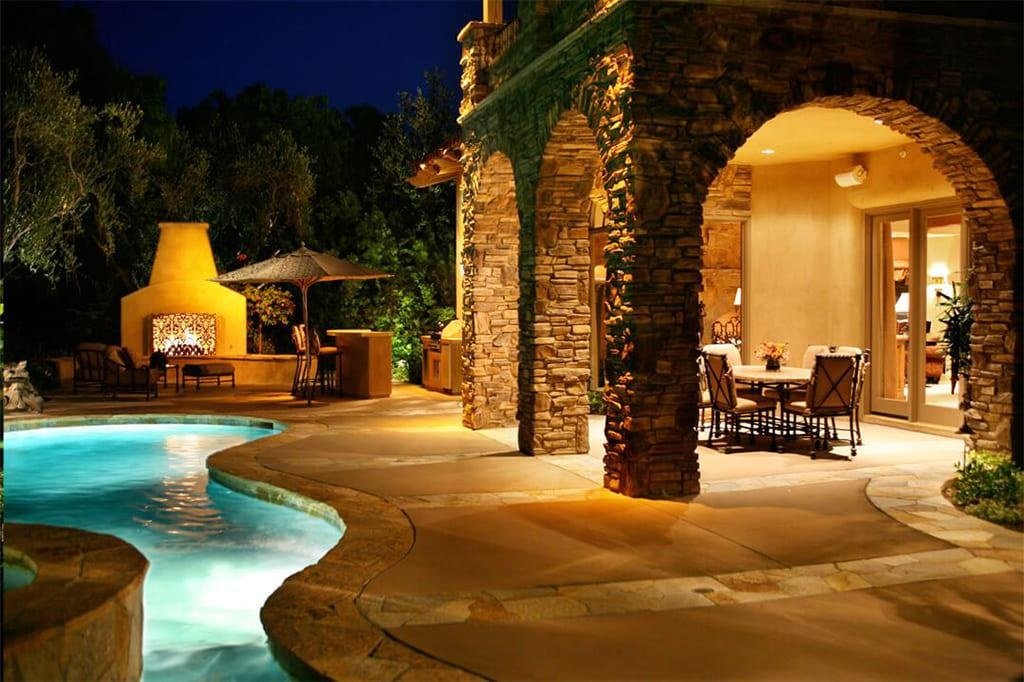
There is something almost magical about a backyard after dark. A patio that feels ordinary in the afternoon can become warm, inviting, and memorable once the lights come on. Path lights guide the way. String lights make a pergola glow. Lanterns soften a dining table. Spotlights turn trees and stone walls into nighttime features.
Outdoor lighting has always had a practical purpose: helping people see after sunset. But over time, it became much more than that. It became part of how we gather, entertain, decorate, relax, and extend the use of outdoor spaces long after the sun goes down.
The story of outdoor lighting stretches from ancient torches and oil lamps to kerosene lanterns, electric porch lights, backyard tiki torches, low-voltage landscape systems, solar fixtures, LEDs, and today's smart lighting controlled by phones and voice assistants.
In This Article
When Fire Was the First Outdoor Light
Before electricity, outdoor lighting was simply controlled fire. People relied on flames to move safely at night, protect entrances, mark paths, extend working hours, and gather outdoors after sunset.
The earliest outdoor lights were basic but effective: open fires, torches, candles, oil lamps, and lanterns. These forms of light were portable, understandable, and available long before modern infrastructure. They were not always convenient, but they made outdoor life possible after dark.
Firelight also shaped atmosphere. A torch-lined walkway or lantern-lit courtyard did more than provide visibility. It created mood. It marked important spaces. It made outdoor gatherings feel intentional. That emotional quality remains one of the most important reasons people invest in outdoor lighting today.
Ancient Civilizations Used Outdoor Light for Safety and Ceremony
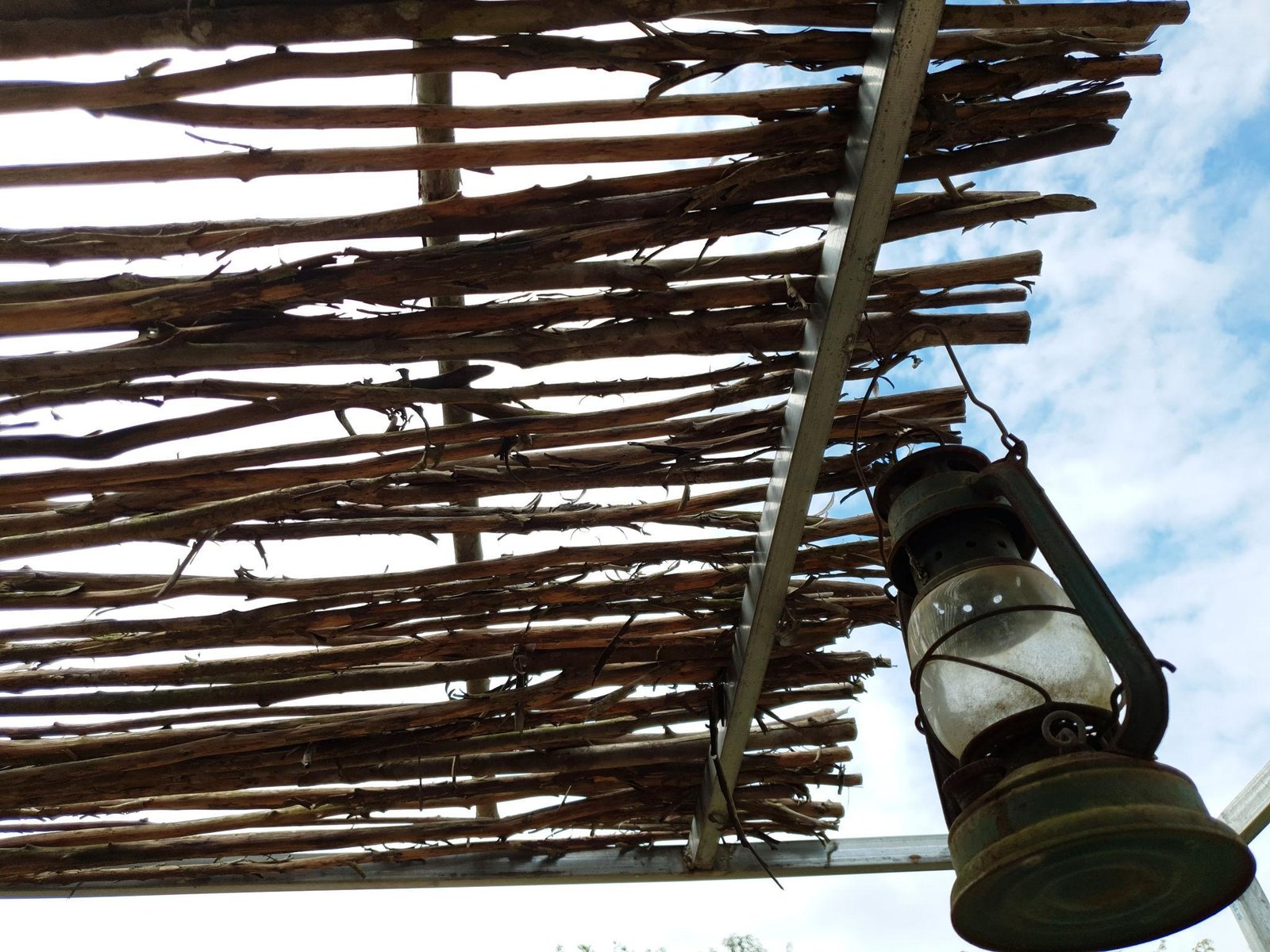
Ancient civilizations understood the value of outdoor light. Egyptians, Greeks, Romans, and many other cultures used lamps, torches, and fire bowls in courtyards, temples, public spaces, roads, and ceremonial areas.
In warm climates, much of daily life happened outdoors or in semi-open spaces. Courtyards, gardens, porticos, and terraces were part of the home. Lighting these spaces after dark allowed people to gather, dine, celebrate, and move safely from one area to another.
Oil lamps were especially important. A simple lamp filled with oil and fitted with a wick could produce steady light in a compact form. Compared with an open torch, it was easier to place on a table, ledge, or wall niche. In early outdoor living spaces, this kind of controlled flame changed how people used the evening hours.
Lanterns Made Outdoor Light More Portable
As materials improved, lanterns became one of the most important outdoor lighting tools. A lantern protected the flame from wind and made light easier to carry. Glass, metal, handles, vents, and enclosed frames allowed people to move through yards, streets, docks, farms, workshops, and entryways with more reliable illumination.
In Colonial America and early rural life, lanterns were essential. They helped people walk from house to barn, check animals, meet visitors, travel by carriage, and complete evening chores. Kerosene later became a common fuel, and lantern design continued to improve.
Even today, lanterns remain a powerful design symbol. Modern battery lanterns, solar lanterns, and decorative candle lanterns all borrow from this long history. They may no longer be the only source of light, but they still suggest warmth, tradition, and hospitality.

The Rise of Tiki Torches and Backyard Entertaining
For many Americans, the tiki torch became one of the first truly decorative backyard lighting products. While torches have ancient roots, the tiki torch became especially popular in the United States during the mid-twentieth century, when tropical-inspired design, backyard parties, and patio entertaining were gaining momentum.
Postwar suburban homes placed new emphasis on the backyard as a place for leisure. Families added patios, grills, lawn furniture, pools, and garden beds. Lighting helped turn these spaces into evening destinations.
Tiki torches were inexpensive, easy to place, and dramatic. They lined patios, surrounded pools, marked pathways, and created a vacation-like feeling at home. For a generation of homeowners, a few torches around the yard made an ordinary barbecue feel like a summer event.
The tiki torch also showed something important about outdoor lighting: homeowners wanted more than brightness. They wanted personality. They wanted atmosphere. They wanted the backyard to feel like somewhere else for a few hours.
Electricity Changed Outdoor Lighting Forever
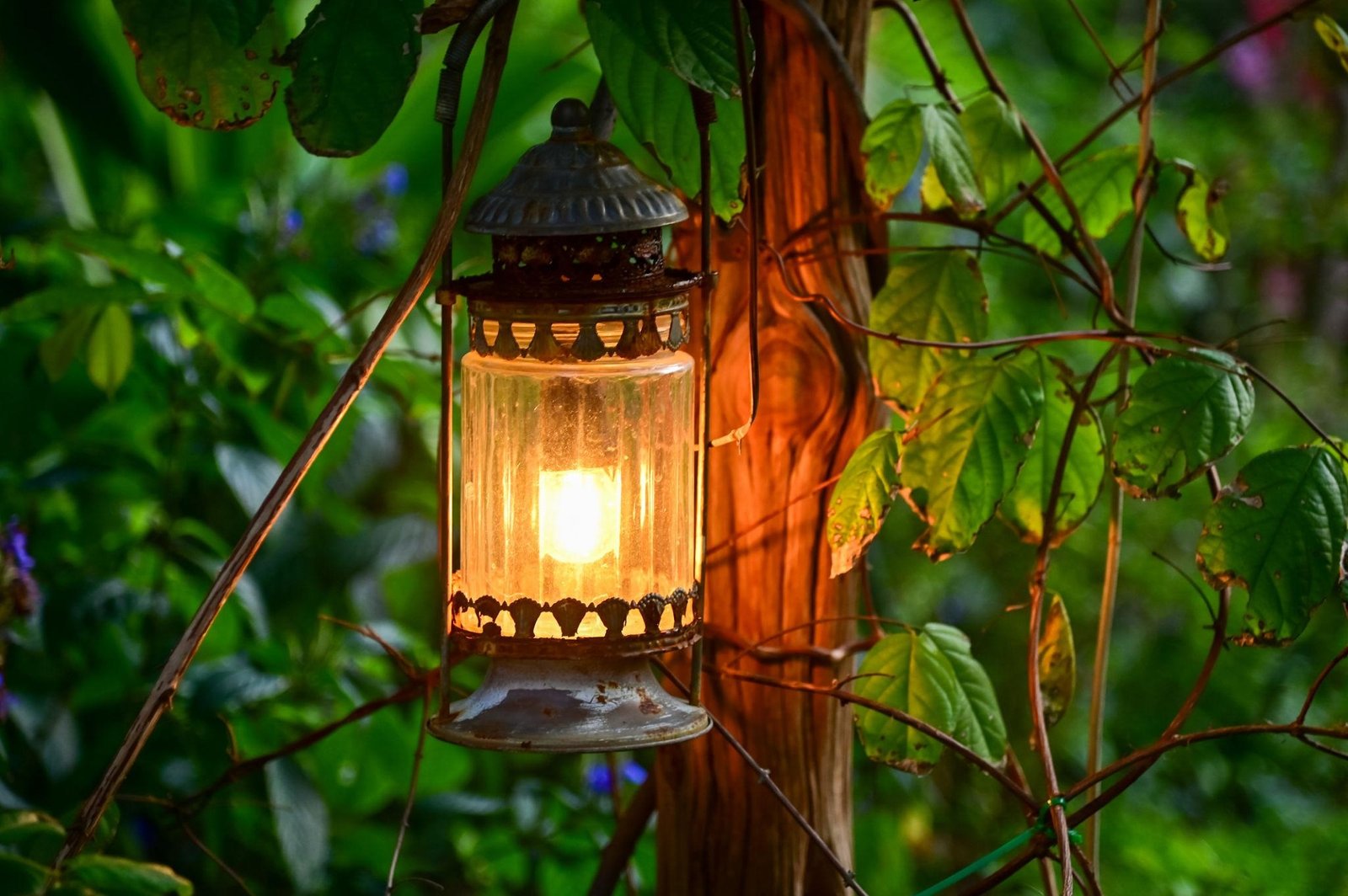
Electric lighting transformed the outdoors in stages. First came practical fixtures: porch lights, entry lights, garage lights, security lights, and streetlights. These fixtures made homes safer, easier to enter, and more usable at night.
Over time, outdoor lighting became more decorative. Fixtures were added near patios, garden walls, walkways, pools, and decks. Instead of one harsh bulb by the back door, homeowners began thinking in layers: ambient lighting, task lighting, accent lighting, and safety lighting.
This shift was especially important for landscape design. A tree, stone wall, fountain, path, or garden bed could disappear after sunset unless it was lit. Outdoor lighting allowed the yard itself to remain visible and beautiful at night.
The Suburban Backyard Made Lighting Part of Outdoor Living
As patios, decks, pools, and outdoor dining areas became more common, lighting became part of the backyard plan. A family could grill dinner, sit outside after sunset, watch children play, or host friends well into the evening.
Floodlights, porch lights, post lamps, pool lights, deck lights, and garden fixtures all became part of the suburban lighting vocabulary. Some were purely functional. Others were decorative. Together, they helped expand the hours when the backyard could be used.
By the late twentieth century, low-voltage landscape lighting gave homeowners and professionals more control. These systems used transformers and lower-voltage fixtures to light walkways, highlight plantings, accent architectural features, and create softer nighttime effects.
- Path lights improved safety.Walkways, steps, and driveways became easier to navigate after dark.
- Uplights added drama.Trees, walls, columns, and garden features could become nighttime focal points.
- Deck and patio lights extended use.Outdoor areas became more practical for evening meals and gatherings.
- Security lighting changed expectations.Motion lights and entry fixtures made nighttime access feel safer and more convenient.
LEDs, Solar Lights, and Smart Systems Redefined the Backyard
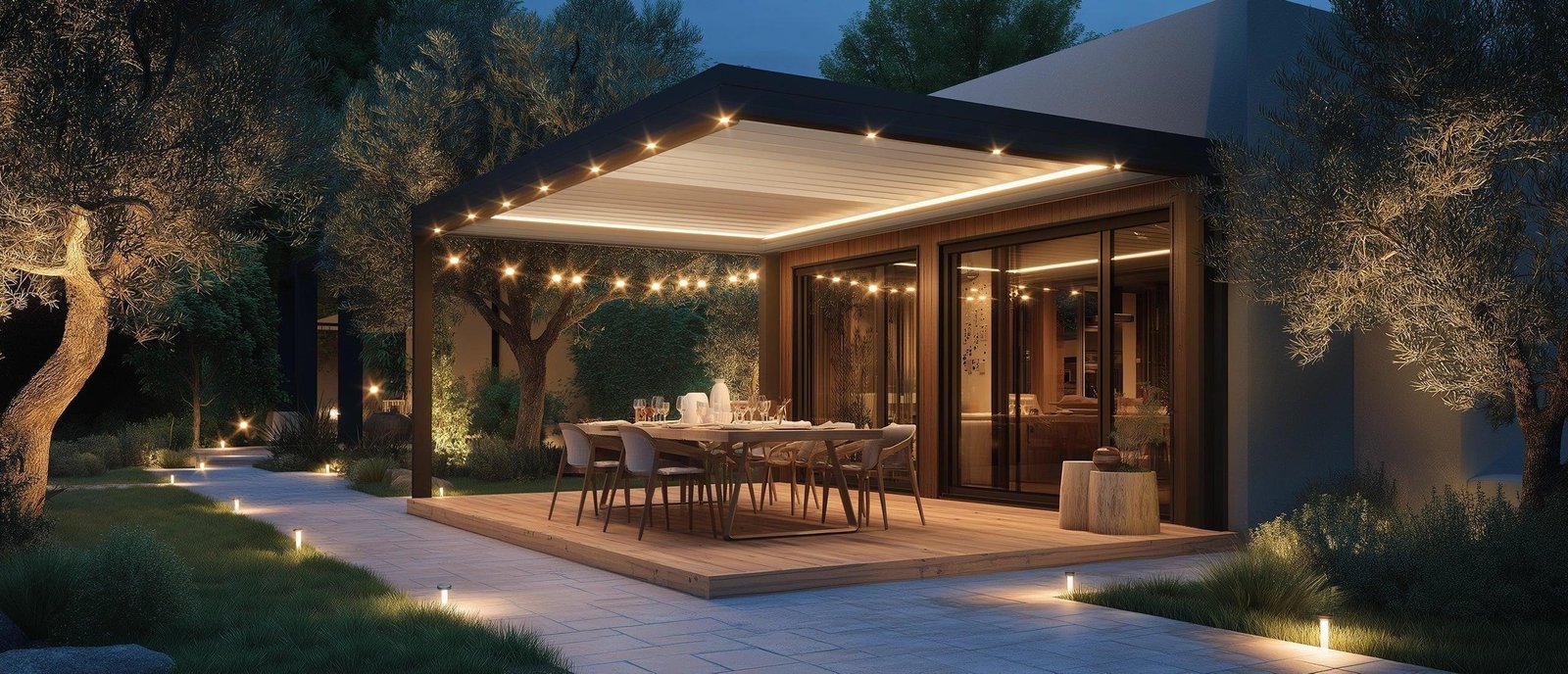
The arrival of LED technology changed outdoor lighting in a major way. LED lights use less energy, last longer, and produce less heat than many older lighting technologies. They made it easier to illuminate patios, paths, gardens, fences, pergolas, steps, and outdoor kitchens without constant bulb changes or high energy use.
Solar lighting also became more popular as fixtures improved. Early solar lights were often dim and unreliable, but newer models are brighter, better looking, and easier to place. For homeowners who do not want wiring, solar path lights and garden lights offer a simple entry point.
The newest chapter is smart outdoor lighting. Homeowners can now control lights by app, voice command, timer, motion sensor, or automation. Lights can dim, change color, follow schedules, respond to sunset, or coordinate with a smart-home system. What once required matches, oil, or a wall switch can now happen automatically.
For backyard design, this means lighting is no longer just installed and forgotten. It can adapt to the moment: bright for cooking, soft for dinner, colorful for parties, motion-activated for security, or scheduled to come on as the sun goes down.
Outdoor Lighting Options for Today's Backyard
From string lights over a pergola to path lights along a walkway, today's lighting options make it easier than ever to create a backyard that feels comfortable, safe, and inviting after dark.
Featured Outdoor Lighting Ideas
Browse outdoor lighting from our featured partners — from decorative rattan pendants and smart app-controlled fixtures to a full selection of outdoor lighting on Amazon.
A wide selection of path lights, string lights, spotlights, security lights, and landscape kits for every backyard budget.
Handcrafted rattan and contemporary pendant lights designed for patios, pergolas, and outdoor entertaining spaces.
App and voice-controlled outdoor smart lighting with 16M colors, dimming, scheduling, and weather-resistant fixtures.
Disclosure: Your Backyard Knows may earn a commission if you purchase through affiliate links on this page.
Why Outdoor Lighting Matters More Than Ever
Outdoor lighting is now part of the overall backyard experience. It affects how safe a space feels, how long people stay outside, and how finished the landscape appears. A well-lit backyard can make a small patio feel intimate, a large yard feel connected, and a simple walkway feel polished.
The best lighting designs usually use layers rather than one bright fixture. A few soft path lights, gentle uplighting on trees, warm string lights over a seating area, and task lighting near a grill can work together without overpowering the space.
That is the biggest difference between old outdoor lighting and new outdoor lighting. In the past, the goal was often to defeat the dark. Today, the goal is to shape it.
The Outdoor Lighting Timeline
Torches, oil lamps, fire bowls, and candles provide outdoor light for safety, ceremony, travel, and gathering.
Enclosed lanterns make flame-based light more portable, reliable, and useful for homes, farms, docks, and paths.
Electric lighting begins changing homes, streets, public spaces, and eventually residential exterior lighting.
Tiki torches, patio lights, and backyard entertaining make outdoor lighting more decorative and social.
Low-voltage landscape lighting becomes more common for paths, garden beds, trees, steps, and architectural accents.
LEDs, solar fixtures, WiFi controls, sensors, and smart-home systems redefine what backyard lighting can do.
Frequently Asked Questions About Outdoor Lighting
- When was outdoor lighting first used?Outdoor lighting dates back thousands of years, beginning with fire, torches, oil lamps, candles, and lanterns used for safety, travel, ceremony, and gathering.
- What did people use before electric outdoor lights?Before electric lighting, people used open fires, torches, oil lamps, candles, kerosene lanterns, and other flame-based lighting methods.
- Why did tiki torches become popular?Tiki torches became popular as backyard entertaining, tropical-inspired décor, patios, and suburban outdoor living grew during the mid-twentieth century.
- When did LED outdoor lighting become common?LED outdoor lighting became increasingly common in the 2000s and 2010s as fixtures became brighter, more efficient, longer-lasting, and more affordable.
- What is smart outdoor lighting?Smart outdoor lighting allows homeowners to control lights through apps, timers, sensors, voice assistants, color settings, dimming, and automated schedules.
- Are solar outdoor lights worth it?Solar outdoor lights can be a simple, low-maintenance option for pathways and garden accents, especially where wiring is difficult. Quality varies, so brightness, battery life, and weather resistance matter.
- What is the best type of lighting for a backyard?The best backyard lighting usually combines several types: path lights for safety, string lights for ambiance, spotlights for accents, and task lighting near grills, steps, or seating areas.
Lighting the Backyard of the Future
Outdoor lighting has changed dramatically, but its purpose remains familiar. It helps people move safely, gather comfortably, and enjoy outdoor spaces after sunset. The tools have evolved from torches and lanterns to LEDs and smart controls, but the desire is the same: to make the night feel welcoming.
Today's backyard lighting can be practical, beautiful, automated, decorative, energy-efficient, and deeply personal. Whether it is a few solar path lights, a pergola wrapped in string lights, or a fully integrated smart lighting system, the right lighting can turn an outdoor space into a place people want to stay.
From Firelight to Smart Light
Outdoor lighting began with flame and evolved into one of the most powerful tools in backyard design. It does more than brighten the night — it shapes the mood, extends the day, and makes outdoor living feel complete.