
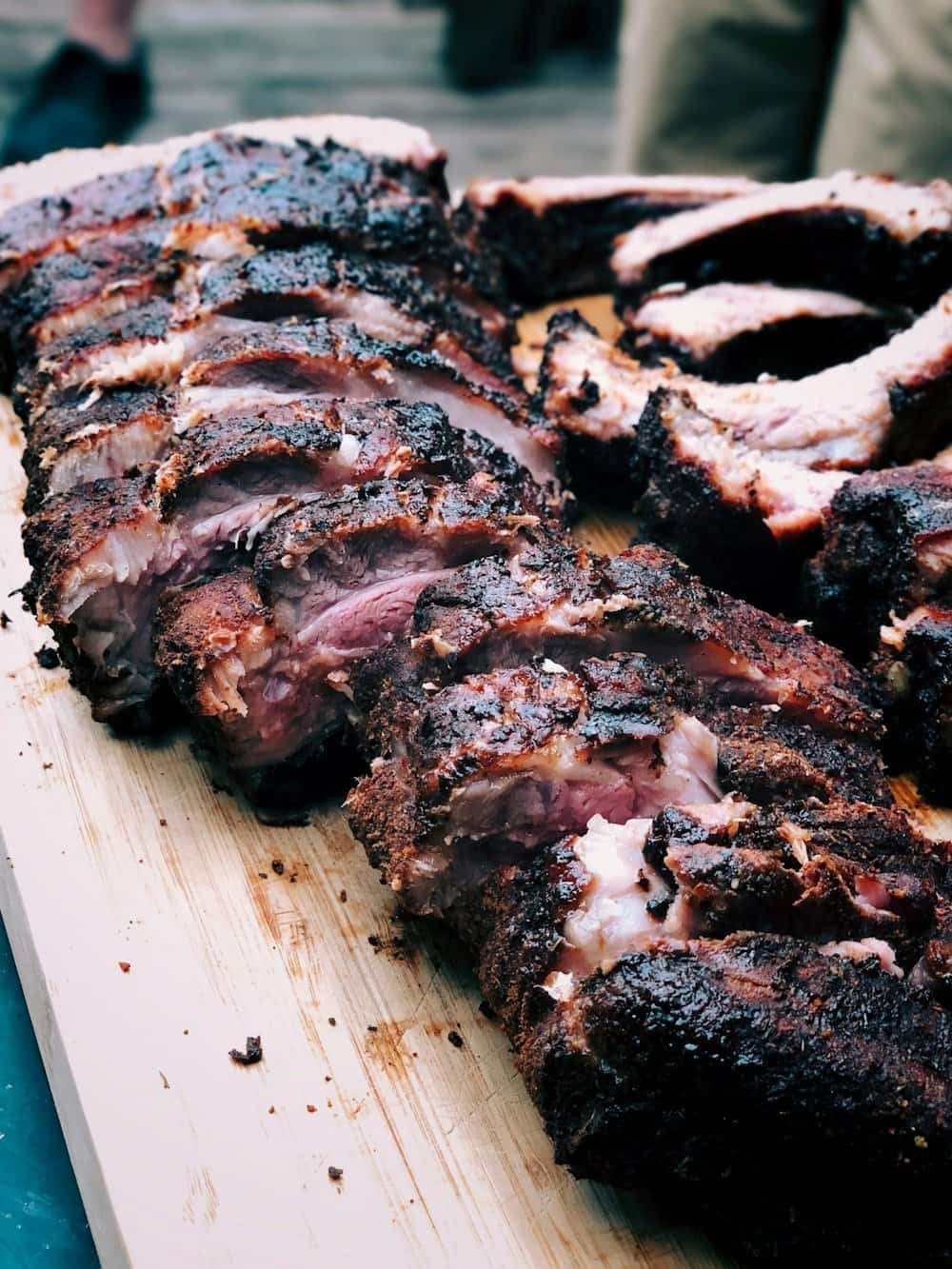
Few backyard rituals feel as timeless as lighting a charcoal grill. The sound of briquettes tumbling into the kettle, the first curl of smoke, the orange glow beneath the grate, and the smell of food cooking over fire all signal something familiar: people are gathering.
Charcoal grilling may feel like a modern weekend tradition, but its roots reach back thousands of years. Long before stainless steel gas grills, pellet smokers, or smart outdoor kitchens, people were cooking over wood, embers, and charcoal. The method was simple, but the results were powerful: high heat, smoke, flavor, and community.
The story of charcoal grilling is also the story of how outdoor cooking moved from necessity to celebration. What began as a practical way to cook food became part of culture, travel, industry, suburbia, family life, and the modern backyard.
In This Article
Cooking Over Fire Came First
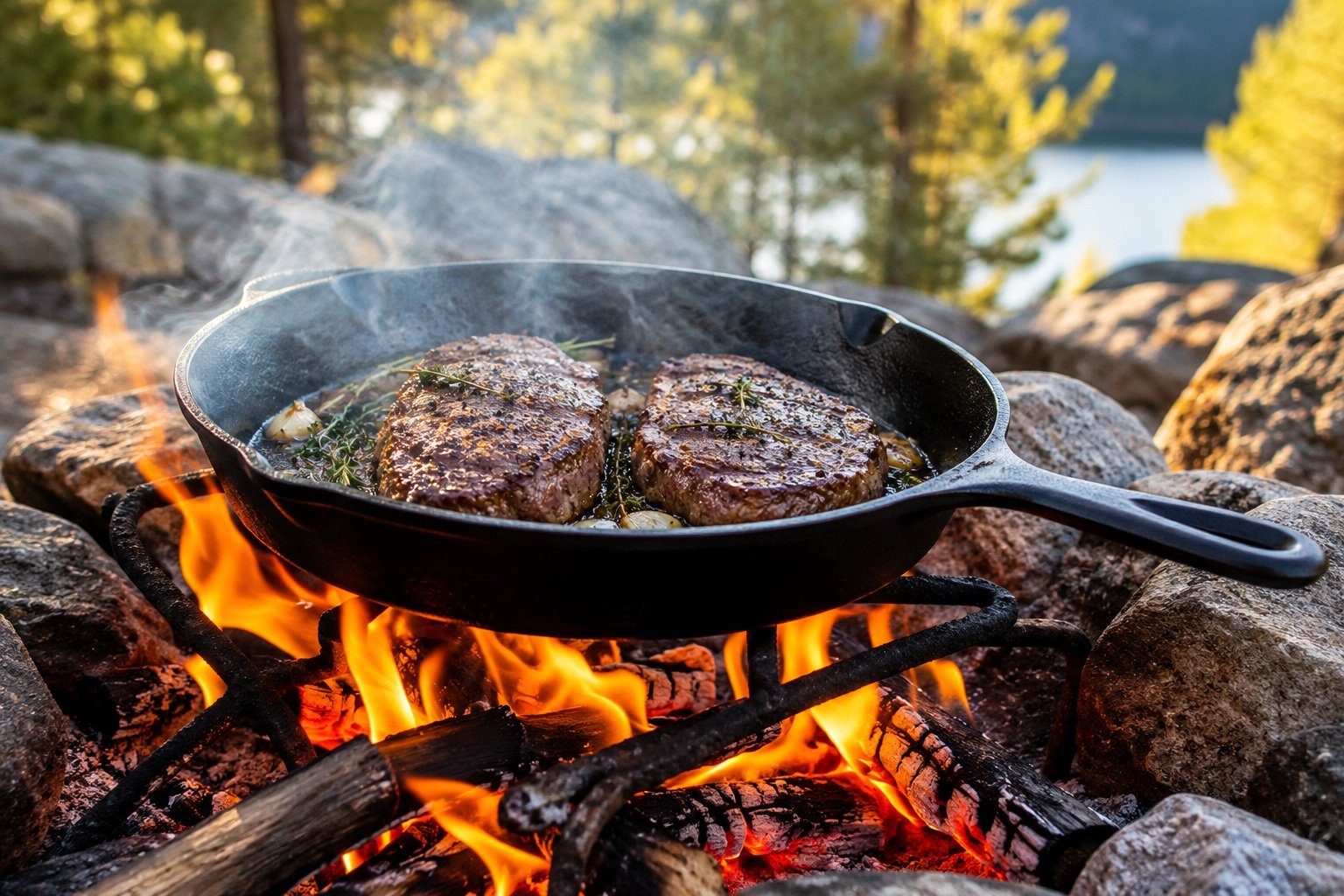
Before there were grills, there was fire. Open-fire cooking is one of the oldest food traditions in human history, and it remains the foundation of charcoal grilling today.
Early cooking likely involved roasting food near flames, cooking over embers, or placing food on hot stones. The technique varied from place to place, but the basic idea was universal: heat changed food. It made meat easier to chew, helped preserve certain foods, added flavor, and made meals safer and more satisfying.
Eventually, people learned that the hottest, most manageable part of a fire was often not the flame itself, but the glowing bed of embers beneath it. Embers created steadier heat. They were easier to manage than open flames. They could cook slowly or intensely, depending on airflow and fuel. That discovery is at the heart of charcoal grilling.
What Is Charcoal?
Charcoal is made when wood or other carbon-based material is heated with limited oxygen. Instead of burning completely into ash, much of the volatile material is driven off, leaving a carbon-rich fuel that burns hotter, cleaner, and more predictably than raw wood.
That made charcoal useful long before it became associated with backyard cooking. It was important for metalworking, heating, filtration, art, and other practical uses. But for cooking, charcoal had two obvious advantages: it produced steady heat and created a distinctive flavor when food was cooked over it.
Traditional charcoal making often involved stacking wood in piles or pits, covering it with earth or turf, and slowly heating it with restricted airflow. The process required skill because too much oxygen could burn the wood completely, while too little heat would fail to carbonize it properly.
Charcoal Was Valued Long Before Backyard Grills
For much of history, charcoal was less of a leisure product and more of an essential fuel. Blacksmiths, metalworkers, cooks, and households all valued it because it could create intense, concentrated heat. Compared with raw wood, it was lighter, easier to store, and often easier to transport.
Across many regions, charcoal production became part of rural economies. Woodcutters and charcoal burners turned forests into fuel for towns, workshops, kitchens, and industries. In some places, charcoal was so valuable that entire communities were tied to its production.
As a cooking fuel, charcoal appears in many food traditions around the world. Japanese binchotan, Middle Eastern grilled meats, Mediterranean open-fire cooking, Caribbean barbecue, South American asado, and American barbecue all show different ways people developed cooking around coals, embers, smoke, and flame.
Charcoal and the American Cookout
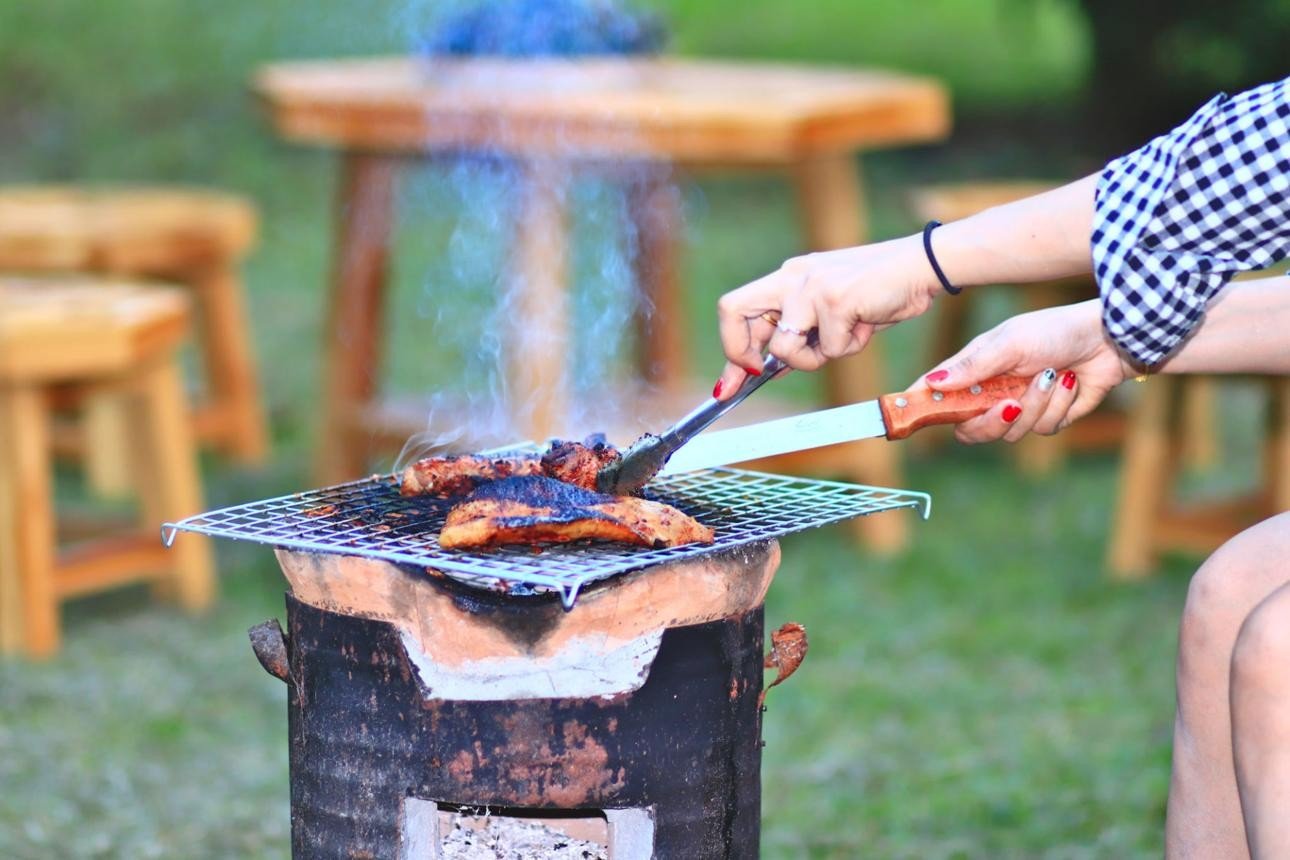
In America, outdoor cooking developed through many overlapping traditions: Indigenous cooking methods, colonial hearth cooking, Southern barbecue pits, ranch cooking, camping, tailgating, roadside barbecue, and backyard entertaining.
For centuries, barbecue in the United States often meant slow-cooking meat over wood or coals, especially in the South. It was regional, communal, and deeply tied to local ingredients and traditions. Charcoal later made it easier for ordinary households to bring some of that live-fire experience into a portable backyard format.
The word "barbecue" itself has a long and complex history, but the backyard barbecue as many Americans know it is relatively modern. It required the right combination of products, suburbs, leisure time, packaged fuel, portable grills, and a culture that increasingly treated the backyard as an extension of the home.
Charcoal Briquettes Changed Everything
The major turning point for charcoal grilling was the charcoal briquette. Instead of irregular chunks of lump charcoal, briquettes offered a consistent shape, predictable burn, easier packaging, and convenience for everyday consumers.
One of the best-known stories involves Henry Ford, who was looking for a way to use wood scraps from automobile production. Ford's operations produced significant leftover wood, and that waste eventually became part of a business opportunity: converting wood scraps and sawdust into charcoal briquettes.
Edward G. Kingsford, connected with Ford's timber operations, became closely associated with this effort. Over time, the Kingsford name became one of the most recognized names in charcoal. The idea was practical and clever: turn industrial wood waste into a packaged fuel that families could use for camping, picnics, and grilling.
Briquettes helped make charcoal grilling more approachable. Homeowners did not need to make charcoal themselves or rely on irregular fuels. They could buy a bag, pour it into a grill, light it, and cook.
The Backyard Barbecue Boom
After World War II, the American backyard changed dramatically. Suburban homes, patios, lawns, driveways, and family recreation all expanded. The backyard became a place for entertaining, relaxing, and spending weekends at home.
Charcoal grilling fit the moment perfectly. It was affordable, social, and practical. It gave homeowners a reason to gather outdoors. It turned dinner into an event. It also created a role for the backyard cook: someone who could stand by the grill, manage the fire, and serve food straight from the coals.
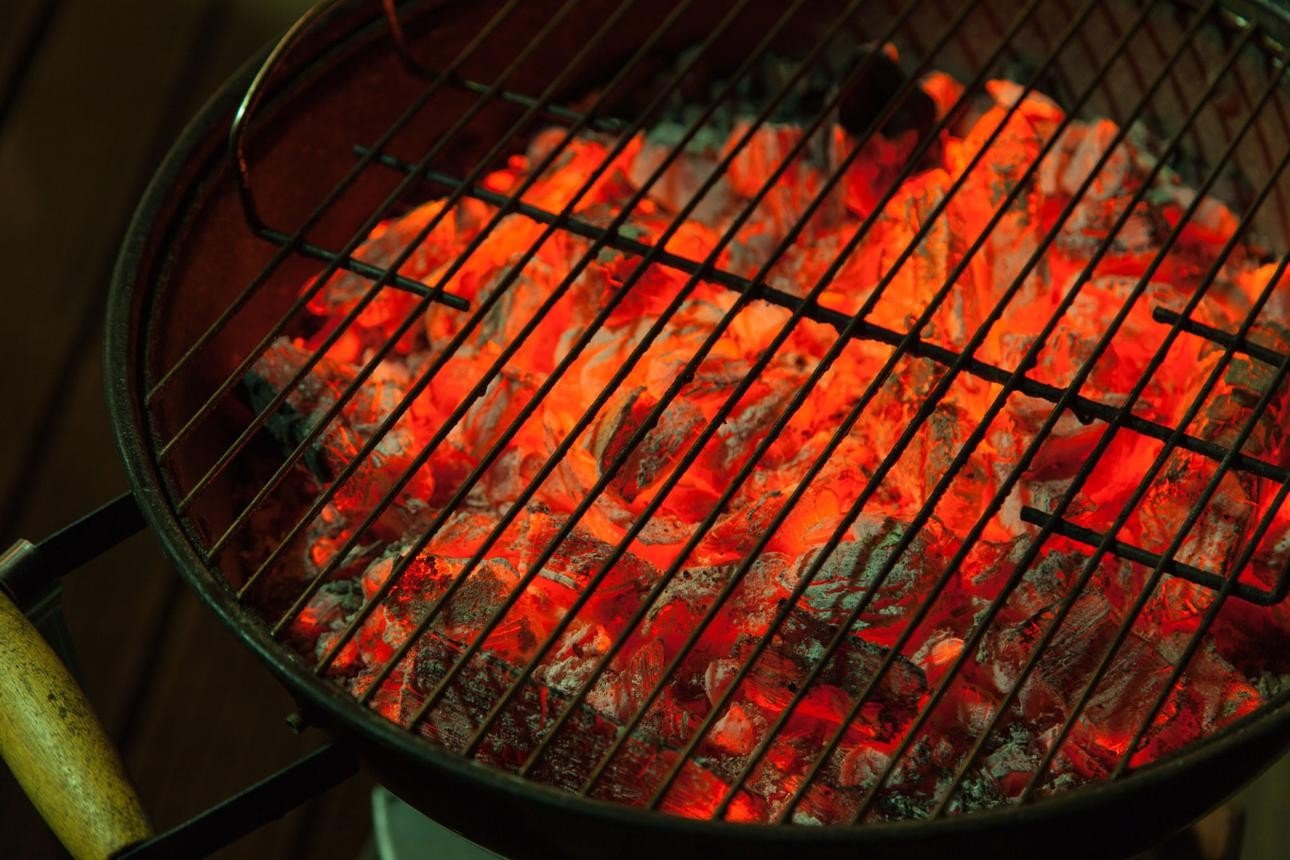
The kettle grill became one of the most iconic tools of this era. Its rounded shape, lid, vents, and portable design gave backyard cooks more control over heat and smoke. Grilling was no longer just food over flame. It became a manageable cooking system.
By the 1950s and 1960s, charcoal cookouts had become part of American outdoor living. Burgers, hot dogs, steaks, chicken, corn, and ribs all found their place over the coals. The smell of charcoal smoke became a signal of summer.
Why Charcoal Still Matters in the Age of Gas and Pellet Grills
Today, homeowners have more outdoor cooking options than ever: gas grills, pellet grills, flat-top griddles, smokers, pizza ovens, kamado cookers, and full outdoor kitchens. Yet charcoal still holds a special place because it delivers something many cooks associate with authentic grilling: live fire.
Charcoal can reach high heat, create strong searing, produce smoke flavor, and reward hands-on cooking. It requires more attention than turning a gas knob, but that is part of its appeal. Charcoal grilling feels active. You arrange the coals, adjust the vents, control the lid, and respond to the fire.
Modern charcoal users often choose between briquettes and lump charcoal. Briquettes are consistent and easy to use. Lump charcoal, made from pieces of charred wood, tends to light quickly, burn hot, and appeal to cooks who prefer a less processed fuel. Both have a place depending on the cook, the grill, and the food.
- Briquettes offer consistency.They are uniform, predictable, and useful for longer cooks or steady heat.
- Lump charcoal burns hot.It lights quickly and is popular with cooks who want high-heat grilling and a natural wood-charcoal feel.
- Chimney starters simplified lighting.A chimney starter helps light charcoal without lighter fluid and gets coals ready more evenly.
- Kettle and kamado grills expanded technique.Lids, vents, ceramics, and indirect heat setups allow grilling, roasting, smoking, and baking.
Charcoal Grilling Basics for Today's Backyard
Whether you are building a simple weekend cookout setup or adding charcoal flavor to a larger outdoor cooking space, these basics are useful starting points.
Featured Charcoal Grilling Ideas
A classic backyard grill style for burgers, chicken, steaks, vegetables, and indirect cooking.
A popular option for cooks who want fast lighting, high heat, and a natural charcoal experience.
A simple tool that helps light charcoal evenly without relying on lighter fluid.
Disclosure: Your Backyard Knows may earn a commission if you purchase through affiliate links on this page.
The Charcoal Grilling Timeline
People cook over fire, embers, and charcoal-like fuels, using heat and smoke to prepare food outdoors.
Charcoal becomes essential for metalworking, household fuel, and cooking in many parts of the world.
Packaged charcoal and briquettes begin making charcoal fuel easier for consumers to buy and use.
Henry Ford's wood-waste operations help popularize the charcoal briquette business associated with Kingsford.
The suburban backyard barbecue boom makes charcoal grilling part of American family life.
Charcoal remains popular alongside gas, pellet, and electric options because of its flavor, heat, and live-fire experience.
Frequently Asked Questions About Charcoal Grilling
- How long has charcoal been used for cooking?Charcoal and ember-based cooking go back thousands of years. People have long used coals and controlled fire to cook food more evenly than open flame alone.
- What is charcoal made from?Most cooking charcoal is made from wood heated with limited oxygen, leaving a carbon-rich fuel that burns hot and steadily.
- Who made charcoal briquettes popular?Henry Ford and Edward G. Kingsford are strongly associated with the rise of charcoal briquettes made from wood scraps connected to Ford's manufacturing operations.
- What is the difference between lump charcoal and briquettes?Lump charcoal is made from charred wood pieces and often burns hot and fast. Briquettes are formed into uniform shapes for more consistent and predictable cooking.
- Why does charcoal grilling taste different?Charcoal creates high heat and smoke that can add roasted, smoky, and flame-cooked flavors that many people associate with classic outdoor grilling.
- When did backyard charcoal grilling become popular?Backyard charcoal grilling grew rapidly in the mid-twentieth century as suburban homes, patios, leisure time, and portable grills became more common.
- Is charcoal grilling still popular today?Yes. Even with gas and pellet grills available, many backyard cooks still prefer charcoal for flavor, heat control, searing, and the traditional live-fire cooking experience.
Why Charcoal Grilling Endures
Charcoal grilling has lasted because it offers more than a way to cook food. It creates a ritual. You light the coals, wait for the fire to settle, listen for the sizzle, and gather people around the meal. It asks for a little patience and rewards it with flavor, smoke, and atmosphere.
Modern outdoor cooking may be faster, cleaner, and more automated than ever, but charcoal still connects the backyard to something ancient. It reminds us that food cooked over fire has always been about more than heat. It is about place, memory, and gathering.
From Ancient Embers to the American Backyard
Charcoal grilling began with controlled fire and evolved into one of the most recognizable outdoor cooking traditions in America. The tools have changed, but the appeal remains the same: smoke, flavor, and people gathered around the grill.